
How Bed Bugs Spread
If you're concerned about how bed bugs spread, local bedbug fumigation service providers can help eliminate infestations and prevent their spread effectively.
Understanding how bed bugs spread is essential for property owners looking to prevent or address infestations effectively. These pests can travel through various means, often hitching rides on clothing, luggage, used furniture, or even in shared laundry areas. Recognizing common pathways for bed bug movement helps in identifying potential risks early, especially in multi-unit buildings, hotels, or homes with frequent visitors. Exploring this topic can empower property owners to implement practical measures and work with local contractors who specialize in bedbug fumigation, ensuring a thorough approach to eradication and ongoing prevention.
For those concerned about bed bugs spreading within their property or community, knowing how these pests move can make a significant difference in managing the situation. Local service providers skilled in bedbug fumigation are equipped to assess the specific circumstances and apply targeted treatments that address both current infestations and potential spread. By understanding the mechanisms behind how bed bugs spread, property owners can take proactive steps and seek the right professional assistance to maintain a pest-free environment.
- Bedbug Fumigation - needed when bed bugs are suspected to have spread through infested luggage or clothing, and local contractors use targeted treatments to eliminate the pests.
- Bedbug Fumigation - required if bed bugs have migrated between units in multi-family buildings, with local service providers applying comprehensive fumigation methods.
- Bedbug Fumigation - appropriate after travel when travelers bring bed bugs home, with local pros inspecting and fumigating affected areas to prevent further spread.
- Bedbug Fumigation - necessary when secondhand furniture is suspected to be a source of infestation, with local experts treating the item and surrounding areas.
- Bedbug Fumigation - essential if bed bugs are found in shared spaces like dormitories or hotels, with local contractors performing thorough treatments to stop the spread.

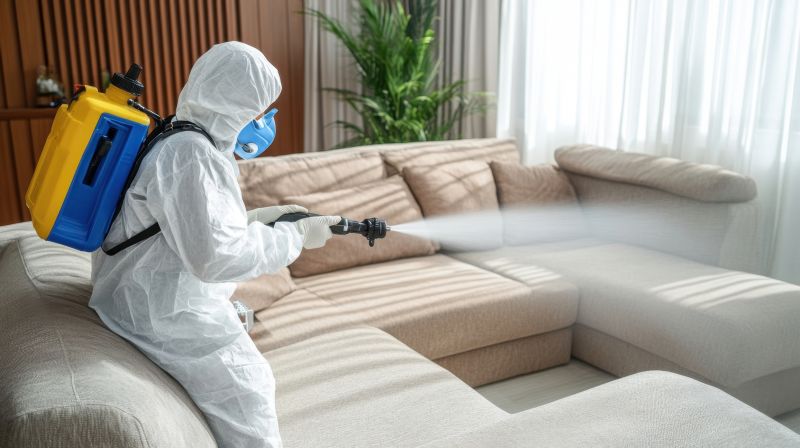
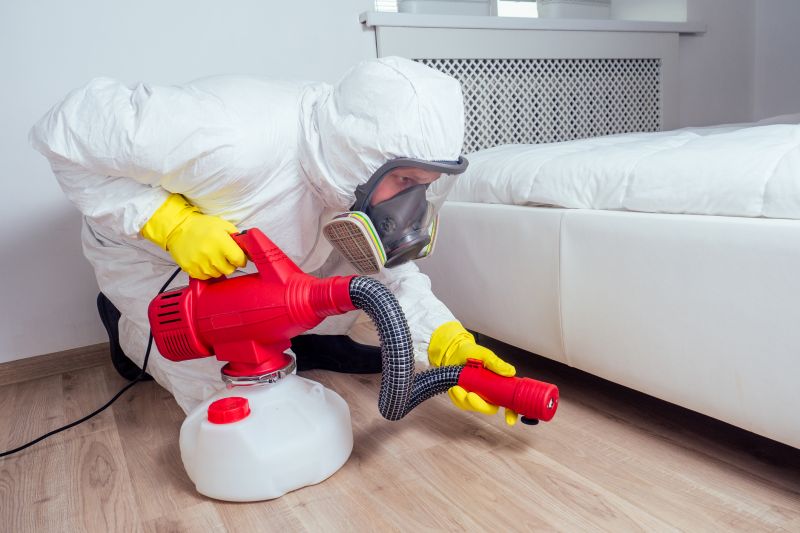
When people search for how bed bugs spread, they are often trying to understand how these pests move from one place to another and how infestations develop across different properties. This information is crucial for homeowners who want to prevent an invasion or stop an existing one from worsening. Common concerns include how bed bugs hitchhike on personal belongings, how they can spread within a home, and how they might be transported between locations. Understanding these patterns helps individuals identify potential risks and take proactive steps to reduce the chances of infestation, especially when dealing with nearby or neighboring properties.
The topic of how bed bugs spread is closely related to problems such as ongoing infestations, repeated re-infestations after treatment, and the need for effective prevention strategies. Homeowners often plan to address these issues by inspecting their entire property, including furniture, bedding, and luggage, to catch early signs of bed bugs. It also connects to plans for pest management, where the goal is to eliminate existing pests and prevent future spread. Local bedbug fumigation service providers play a key role in these efforts by offering targeted treatments that can break the cycle of spreading and help restore a pest-free environment.
Properties most commonly affected by how bed bugs spread include multi-unit residential buildings, such as apartment complexes and condominiums, as well as hotels and motels. These settings tend to have higher risks because of shared walls, common hallways, and frequent guest turnover, which facilitate the transfer of bed bugs between units. Single-family homes are also at risk, especially if residents travel often or receive visitors who may unknowingly bring in infested items. In addition, dormitories, shelters, and other communal living spaces can become hotspots for spreading due to close quarters and shared furniture or bedding.
Understanding how bed bugs spread helps homeowners recognize the importance of thorough inspections and prompt treatment when an infestation is suspected. Since these pests can travel via personal belongings, furniture, and even clothing, local service providers are often called upon to perform comprehensive treatments that target not just the visible pests but also hidden harborages. They can also advise on preventive measures, such as encasing mattresses or reducing clutter, to minimize the chances of spreading. Connecting with experienced bedbug fumigation professionals ensures that efforts to control and prevent bed bugs are effective, helping to protect homes and property from future infestations.
Pest Inspection Services - professionals who identify the pathways and sources of infestations, helping to determine how bed bugs spread within a property.
Household Cleaning Services - experts who can advise on sanitation practices that prevent the movement of bed bugs through clutter and contaminated items.
Furniture Repair and Restoration - specialists who handle infested furniture, reducing the risk of bed bugs spreading via furniture or belongings.
Clutter Management Consulting - services that assist in organizing spaces to minimize hiding spots and curb bed bug movement between rooms.
Moving and Packing Assistance - providers who help properly pack and transport belongings to prevent transferring bed bugs during relocations.
Building Maintenance Services - contractors capable of sealing entry points and addressing structural issues that facilitate bed bug spread between units or areas.
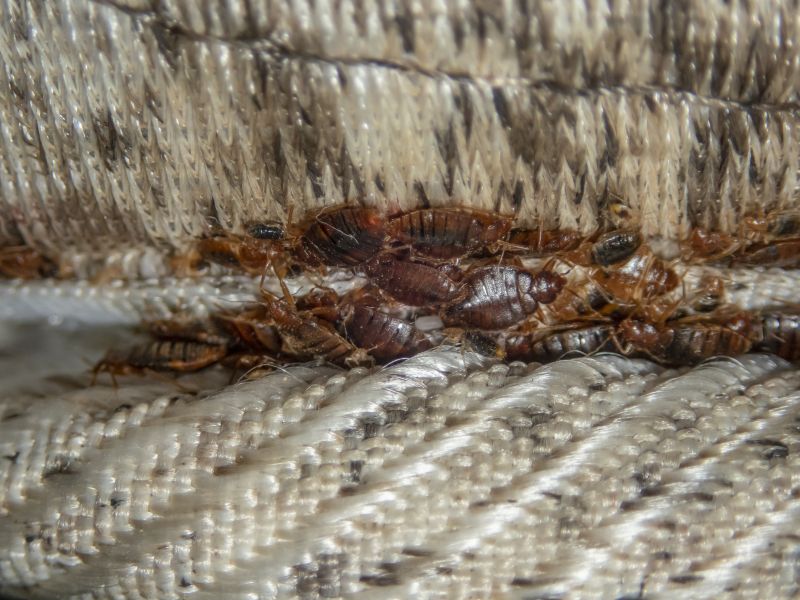
When comparing local service providers for bedbug fumigation, it’s important to consider their experience with similar projects. Homeowners should inquire about how long the contractors have been handling bedbug infestations and whether they have successfully managed cases comparable to their own. A contractor with a history of working on properties with similar layouts or levels of infestation is more likely to understand the nuances of how bed bugs spread and how to address them effectively. This experience can help ensure that the chosen provider is familiar with the most effective treatment methods and can tailor their approach to the specific situation.
Clear written expectations are essential when selecting a bedbug fumigation service. Homeowners should seek detailed information about the scope of work, the steps involved in the treatment process, and any preparations required before treatment begins. Having a thorough understanding of what to expect can prevent misunderstandings and ensure that both parties are aligned on the treatment plan. Additionally, reputable service providers often provide written estimates or plans that outline the services offered, which can serve as a useful reference for evaluating how well the contractor’s approach matches the homeowner’s needs.
Reputable references and good communication are key factors in choosing a reliable local contractor. Homeowners should ask for references or reviews from previous clients who had similar issues, especially those involving how bed bugs spread in their homes. Speaking with past customers can provide insights into the contractor’s professionalism, effectiveness, and ability to communicate clearly throughout the process. Good communication also involves responsiveness to questions and concerns, which can help ensure that homeowners feel informed and confident about the treatment plan. Selecting a service provider who demonstrates transparency and a willingness to answer questions can lead to a smoother, more satisfactory experience.
Property owners often search for how bed bugs spread when they are planning practical projects around their homes and businesses. Local pros provide Bedbug Fumigation services for everyday jobs and straightforward project options.

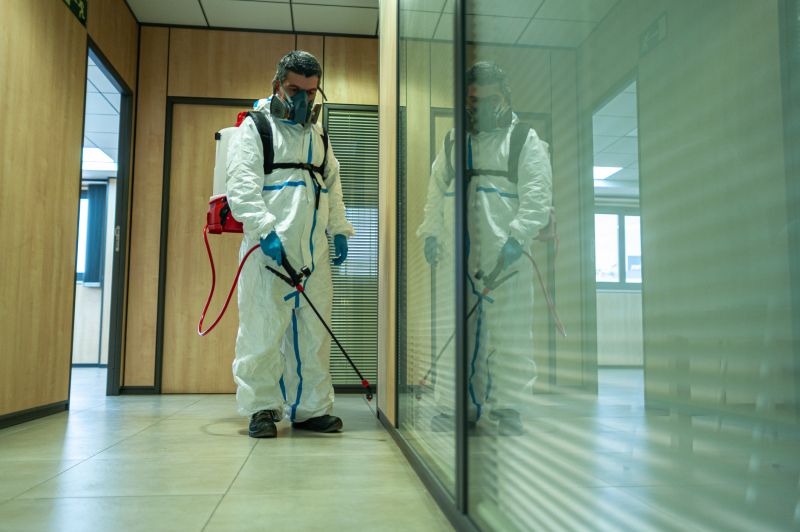
Understanding how bed bugs spread can help property owners identify potential sources of infestation and take proactive measures. Common situations such as traveling, bringing secondhand furniture into a home, or visiting crowded places like hotels and public transportation can introduce these pests. Property owners in the area often seek guidance on how to prevent bed bugs from hitchhiking into their living spaces, and local contractors who specialize in bedbug fumigation can provide effective solutions to address these concerns.
In many cases, bed bugs are unknowingly transported through everyday activities and shared spaces. Items like clothing, luggage, and bedding are frequent culprits in spreading these pests from one location to another. Property owners who notice signs of infestation or want to safeguard their homes may consider consulting with local service providers experienced in bedbug fumigation. These professionals can assess the situation and implement targeted treatments to eliminate bed bugs and prevent further spread.
How do bed bugs typically spread from one location to another? Bed bugs often spread through infested belongings such as luggage, clothing, and used furniture, as well as by traveling between residences or accommodations. They can hitchhike on personal items and be transported unknowingly by people. Additionally, they may spread via shared walls or common areas in multi-unit buildings.
Can bed bugs spread through shared laundry or clothing? Yes, bed bugs can transfer via contaminated laundry or clothing if they are present on infested items. Moving these items between different locations without proper treatment can facilitate their spread to new areas.
Are bed bugs able to spread through air or ventilation systems? Bed bugs do not typically spread through air currents or ventilation systems. They prefer close contact and are primarily transmitted through direct contact with infested items or surfaces.
What role do used furniture and secondhand items play in spreading bed bugs? Used furniture and secondhand items are common sources of bed bug introduction into homes. If these items are infested, they can easily transfer bed bugs to new environments if not properly inspected and treated before bringing them inside.
How can local service providers help prevent the spread of bed bugs? Local pros can inspect and treat infested areas, remove and replace heavily infested items, and advise on proper cleaning and containment methods to prevent further spread of bed bugs within a property or between units.
Identifying common ways bed bugs spread - property owners can learn about typical routes of transmission to better prevent infestations with help from local contractors.
Understanding how items transfer bed bugs - moving furniture, luggage, or clothing between spaces can facilitate spread, and local pros can advise on safe handling practices.
Monitoring high-traffic areas - shared spaces like laundry rooms or hallways can be hotspots for bed bug movement, with service providers offering targeted inspection tips.
Implementing preventative measures - sealing cracks and reducing clutter can limit spread, and local contractors can assist with effective pest management strategies.
If you are thinking about how bed bugs spread for a property, this guide is meant to help you understand this topic, the typical project types, and how different options might fit your plans.
When you are ready, you can use the quote form on this page to share a few details about your project. From there, local pros can review the basics and follow up with options that match what you have in mind.